

What ageing Japan can teach the world about staying engaged at work
18th March 2026
Share this content


Author: Nobutaka Ishiyama, Hosei University, Japan
How can older workers stay engaged in later life?
Japan is one of the most rapidly ageing societies in the world. That makes it more than a national case: it offers an early glimpse of the future that many other countries will soon face. As populations age, a pressing question is emerging for governments, employers and workers alike: how can people remain energised, motivated and involved in their work later in life? My research suggests that part of the answer lies not only in job design or retirement policy, but also in how older workers continue to learn and how they reshape the meaning of their work.
Two key factors for older workers
In my study, I examined Japanese workers aged 55 to 64 using a two-wave panel survey. I wanted to understand what helps older workers remain engaged in their jobs over time. Two factors stood out. First, rather than learning solely within the organisation, older workers actively engaged in activities outside it, gained diverse knowledge, and applied that knowledge to their work. Second, they proactively shaped their own work while placing importance on what work meant to them personally.
Knowledge brokering
The first factor, older workers engaging in activities outside the organisation and gaining diverse knowledge, is known as knowledge brokering. Why is knowledge brokering beneficial for older workers? When they acquire knowledge from outside the organisation and consider how to apply it to their work, they are prompted to reflect. This reflection enables them to make new choices and reconstruct their goals for their future work. In this way, drawing on newly acquired external knowledge helps older workers develop ways of working that are better suited to later life.
Job crafting
The second factor, older workers proactively shaping their own work, is known as job crafting. This study found that one particularly beneficial aspect of job crafting is re-examining the meaning of work and reframing it in a way that feels more personally meaningful. As people move into later life, the place of work changes within both their career and their broader life. In such circumstances, it becomes especially important for older workers to reconsider what work means to them and why it still matters.
The importance of finding meaning in one's work
This matters because public discussion about older workers often focuses too narrowly on decline, retirement age or labour shortages. Older workers do not simply need support; they also have agency. They can remain highly engaged when they continue learning, connect ideas across boundaries, and actively reinterpret the purpose of what they do.
What governments can do
Government should prioritise investment in lifelong learning and reskilling so that older workers can continue contributing in flexible and meaningful ways. Sustained opportunities for lifelong learning can encourage older workers to acquire diverse knowledge beyond their organisations. In doing so, particular emphasis should be placed on learning opportunities that help older workers reframe the significance and meaning of their work.
What employers can do
The practical message for employers is this: they should not view older workers solely through the lens of retention or decline. Older workers should be given opportunities for learning that cross organisational and professional boundaries, enabling them to bring diverse external ideas into the workplace and draw on the meaning they find in their work to enrich what they do. Organisations should create supportive environments in which older workers can continue to grow and contribute.
What older workers can do
Maintaining personal initiative is crucial for continuing to work in later life. Older workers can continue to seek new knowledge, learn from people and settings beyond their usual routines, and reframe the meaning of their work. Even small changes in how they approach or understand their work can make a significant difference to motivation and vitality.
Conclusion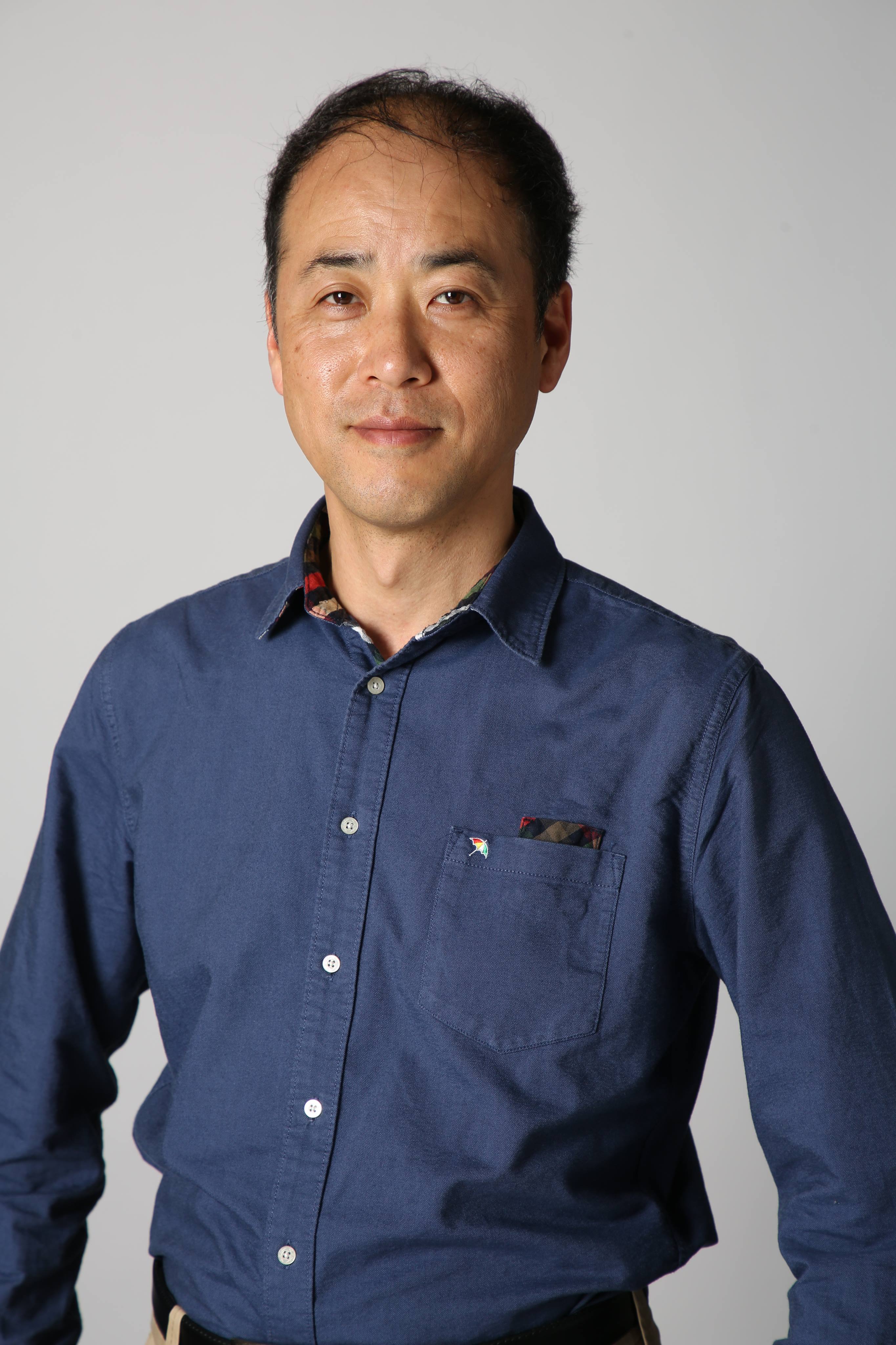
The challenge is not only how to help people work longer, but how to help them work with purpose. The future of ageing workforces will depend on whether societies, organisations and individuals can create forms of work that people still want to do.
Read the full research article here.
Author Bio: Nobutaka Ishiyama, PhD, is Professor at Hosei University in Tokyo, Japan. His research focuses on human resource management and organisational behaviour.
References
- Ishiyama N (2023), "The impact of knowledge brokering and role crafting on work engagement: a two-wave panel survey of older Japanese workers". Journal of Managerial Psychology, Vol. 38 No. 7 pp. 512–526

Healthier lives
We understand the importance of a world that recognises and protects the most vulnerable and acknowledges the importance of a healthy mind as well as a healthy body.
Share this content