

When is enough, enough? A refection on wealth, responsibility, and African empowerment
27th August 2025
Share this content


Author: Rosabelle Mederick, Mandela Washington 2025 Fellow
Thank you, Dr. Wendy Purcell PhD, for a compelling and thought-provoking discussion session. It has inspired a deep reflection on this complex and important topic. It made me reflect on the structures that allow extreme wealth to accumulate, and whether having billionaires in a world with so much inequality is ethical or sustainable.
It’s not a question that can be answered with a simple yes or no. I chose to listen carefully and absorb the many perspectives shared, recognising how nuanced issues of wealth, power, and social responsibility truly are.
While there were thoughtful contributions, toward the end, the conversation became a bit too personal. I believe stepping back and taking a broader, systemic view can lead to clearer, more constructive insights. It’s important to move beyond individual stories to fully understand the implications of concentrated wealth.
My considered view is that I don’t think society should dictate whether billionaires exist, because they already do and inevitably will continue to do so. Throughout history, individuals who work hard, take risks, and build impactful ventures often accumulate significant wealth. Coming from Seychelles, a small island nation, I’ve seen how determination and mindset can dramatically shape a family’s future. My father, who came from humble beginnings, worked tirelessly to improve our lives and instilled in us a similar ethic of responsibility and self-reliance. I believe this mindset, of not waiting for handouts, can be transformative for entire communities.
That said, I believe extreme wealth does carry responsibility. While billionaires shouldn’t be solely responsible for solving global problems, those who choose to give back meaningfully set powerful examples. People like Chuck Feeney, George Soros, and Bill & Melinda Gates have used their wealth to address systemic issues through philanthropy and public good. Their impact shows what it means to lead with conscience.
This commitment to giving isn’t unique to the United States. Across Africa, high-net-worth individuals like Tony Elumelu and Strive Masiyiwa are investing in local talent, entrepreneurship, education, and health, fostering long-term growth and opportunity. Their efforts go beyond charity to build systems that empower others to thrive.
Even in the U.S., philanthropists like George Kaiser focus on equity and inclusion, showing that wealth can be used to create real, lasting change, whether in Tulsa or Lagos.
Ultimately, I believe the question is not whether billionaires should exist, but how we can best design systems that ensure fairness while still encouraging innovation and ambition. We must also build a culture where people of all income levels feel empowered to contribute meaningfully to society.
This question is especially relevant for Africa. For too long, parts of the continent have waited for external assistance to provide solutions. But lasting progress cannot be outsourced. Africa must begin to look inward, nurturing its own talent, entrepreneurial spirit, and leadership. We need more Africans to see themselves as changemakers. If we continue to wait for others, we delay the thriving and self-sustaining Africa we know is possible. The examples of homegrown philanthropists and business leaders show us that the capacity for change exists, and it must be nurtured from within.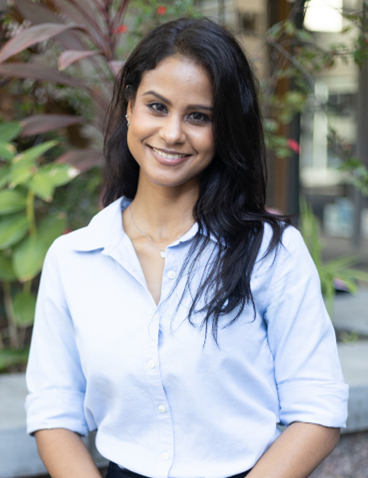
Rosabelle Mederick (Seychelles) is a Mandela Washington 2025 Fellow [1] and Architect with over 9 years of experience in the construction field. She holds a Master of Architecture (Professional) degree and is committed to delivering sustainable and functional design solutions to her community. Rosabelle’s work portfolio spans a variety of projects ranging from mid-range to luxury residential, hospitality, industrial, and commercial projects. She is also the founder of her own architectural practice, focusing on locally inspired, community-driven design solutions, and sustainable design principles tailored to tropical environments. Beyond architecture, Rosabelle is passionate about women's empowerment and works with the Soroptimist International Club of Victoria, and participates in youth mentorship initiatives through her collaboration with the Seychelles National Youth Council. After completing the Mandela Washington Fellowship, Rosabelle plans to further her advocacy for women in male-dominated careers, mentor young women and girls, and champion the integration of sustainable design principles in tropical contexts.
References
[1] The Mandela Washington Fellowship for Young African Leaders is the flagship program of the U.S. Government’s Young African Leaders Initiative (YALI). Established in 2014, the Fellowship has brought nearly 7,200 young leaders from every country in Sub-Saharan Africa to the United States for academic and leadership training. The Fellows, between the ages of 25 and 35, are accomplished innovators and leaders in their communities and countries. Accessed online 22 July 2025.

Fairer society
We are passionate about working with researchers globally to deliver a fairer, more inclusive society. This perhaps has never been more important than in today’s divided world.
Share this content